Bengal School and Beyond
From Academic Realism and the Jubilee Art Academy to Contemporary Responses in Bengal Art
-- Research & Compiled by Aakriti Art Gallery team
The history of modern art in Bengal is often narrated through the rise of the Bengal School under 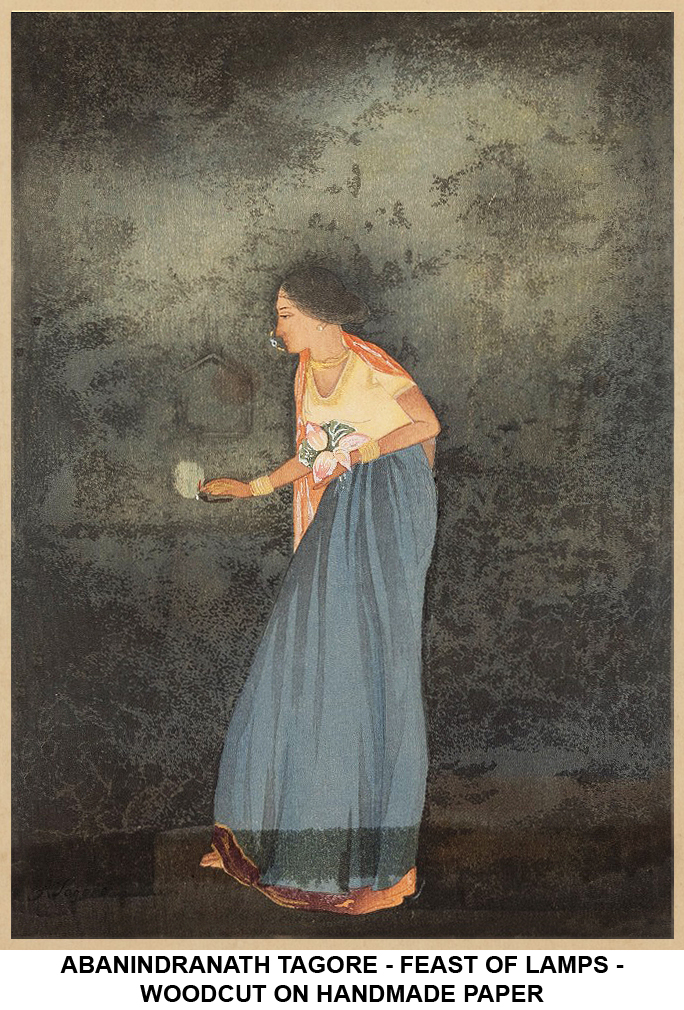 Abanindranath Tagore and the nationalist cultural movement that emerged in the early twentieth century. While the Bengal School undoubtedly transformed the intellectual and aesthetic direction of Indian art, the larger story of Bengal modernism is far more layered and complex. Beneath the simplified opposition between “Western academic realism” and “Indian revivalism” lies a dense network of artistic exchanges, institutional experiments, pedagogical transitions, and evolving visual languages that continued to shape Bengal art well beyond the nationalist era.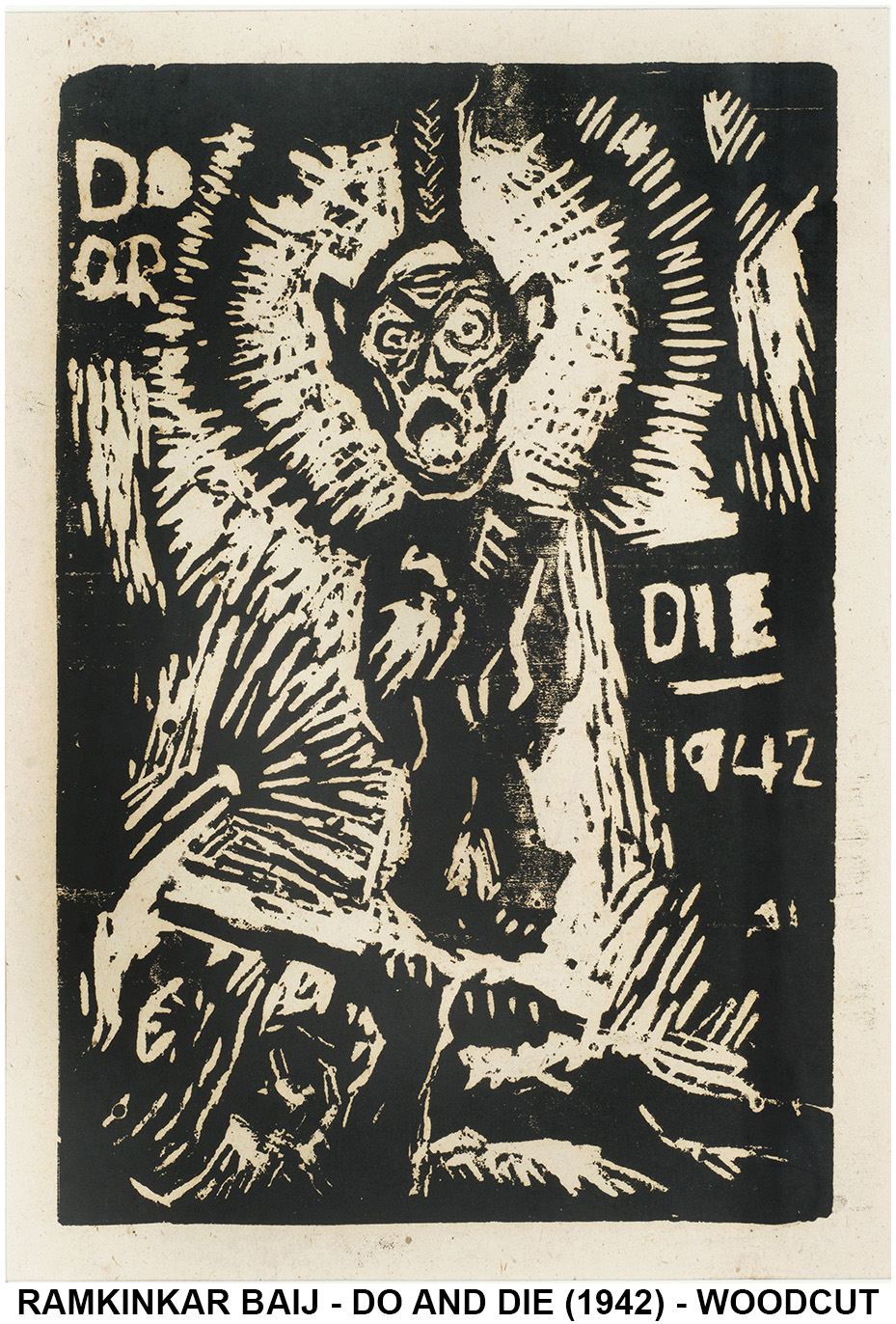
To understand Bengal modernism fully, one must look not only at the Bengal School itself, but also at the academic realist traditions that preceded it, the independent ateliers and art academies that operated alongside official institutions, and the ways later generations responded to both inheritance and rebellion.
The roots of this transformation can be traced to colonial art education in nineteenth-century Calcutta. The Government School of Art, established in 1854, introduced European academic methods centred around anatomy, perspective, oil painting, cast drawing, and naturalistic observation. Academic realism gradually became associated with technical sophistication and professional artistic training. By the late nineteenth century, artists in Bengal were increasingly exposed to European salon traditions, Victorian portraiture, and lithographic commercial art. 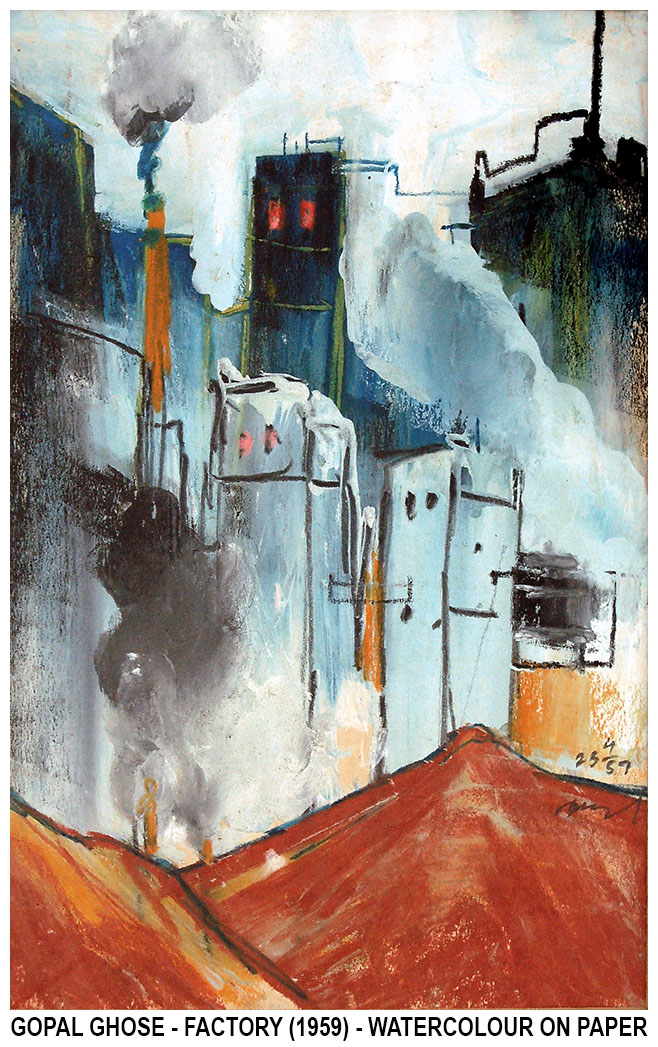
Parallel to official institutions, independent academies and commercial art schools began emerging across Calcutta. Among these, the Jubilee Art Academy played a significant role in training generations of artists outside the stricter framework of colonial academic pedagogy. Such institutions often acted as bridges between fine art, commercial illustration, popular print culture, theatre backdrops, calendar art, and portrait commissions. They helped democratise artistic training at a time when professional opportunities for artists remained limited.
Academic realism in Bengal was never merely imitation. Many artists adapted European techniques to Indian themes, 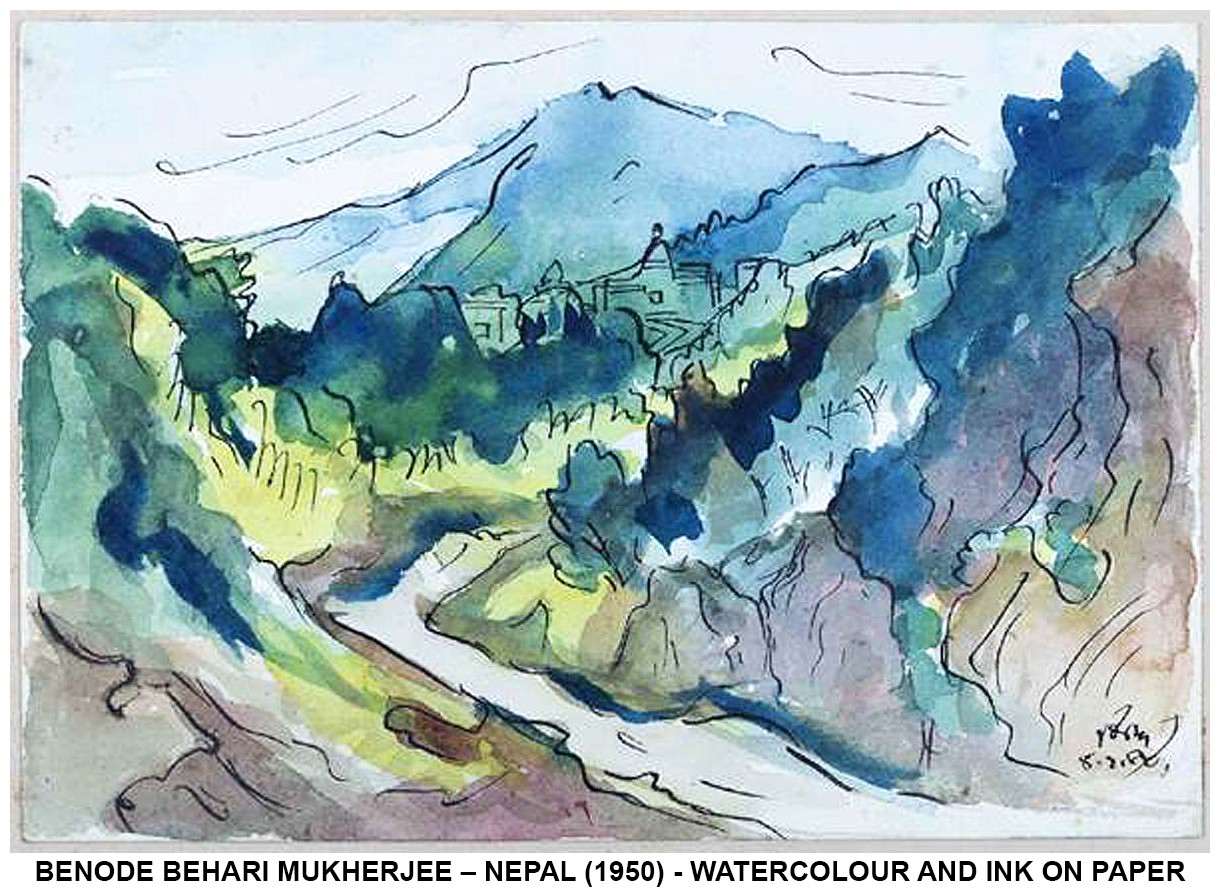 social portraiture, mythology, and local urban life. This produced a hybrid visual culture where salon realism, bazaar imagery, photography, printmaking, and indigenous aesthetics coexisted. By the turn of the twentieth century, however, a growing nationalist consciousness led several intellectuals and artists to question whether colonial academic realism could adequately represent Indian cultural identity.
The Bengal School emerged within this ideological environment. Led by Abanindranath Tagore and supported by figures such as E.B. Havell, Sister Nivedita, and later Ananda Coomaraswamy, the movement sought to construct an alternative artistic language rooted in Mughal miniatures, Rajput painting, Ajanta murals, Japanese wash techniques, and pan-Asian aesthetics. The movement rejected the material density and illusionism of European academic realism in favour of lyricism, suggestion, spirituality, and poetic restraint. 
Artists such as Nandalal Bose, Asit Kumar Haldar, Kshitindranath Majumdar, Samarendranath Gupta, and others expanded this vocabulary across mythological, literary, historical, and nationalist subjects. Santiniketan later became one of the most important centres for this evolving artistic philosophy, especially under Rabindranath Tagore and Nandalal Bose. Yet even within Santiniketan, the narrative was never stylistically uniform.
Benode Behari Mukherjee introduced mural-based spatial experimentation and modernist simplification. Ramkinkar Baij radically disrupted both academic realism and Bengal revivalism through expressive sculptural forms and modernist monumentality rooted in rural Bengal. Rabindranath Tagore himself developed an intensely personal visual language detached from formal academic conventions. By the mid-twentieth century, Santiniketan modernism had already moved beyond the original Bengal School framework. 
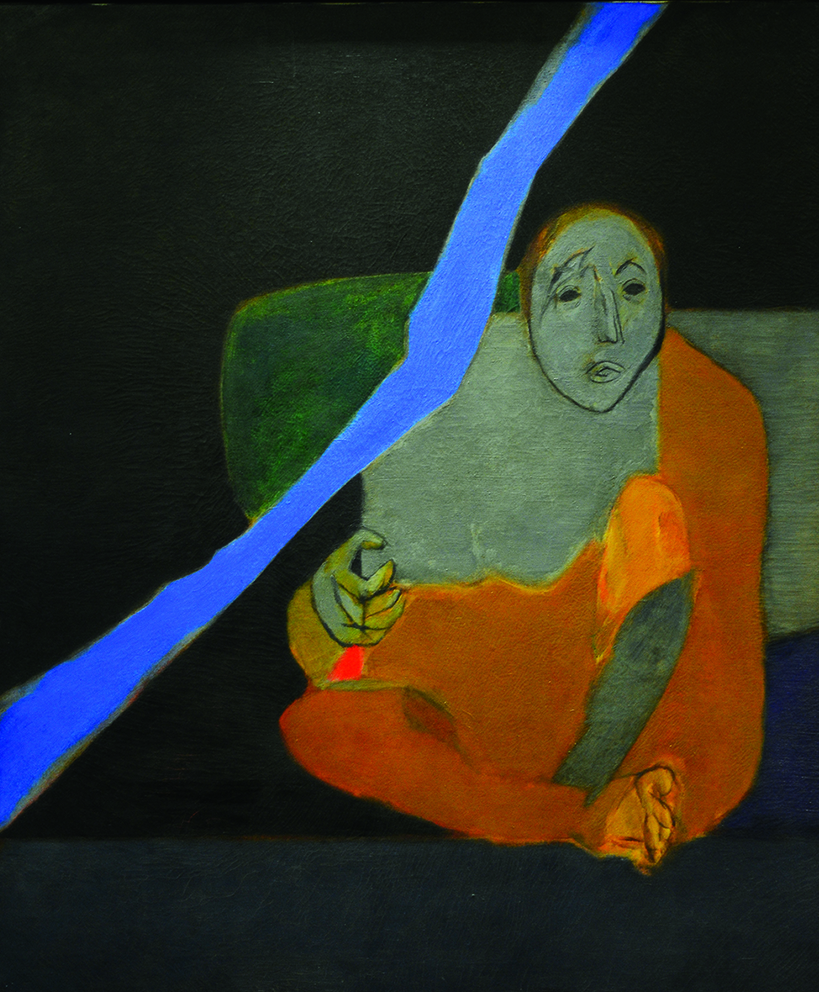
At the same time, urban Calcutta was producing entirely different artistic responses. Post-Independence Bengal witnessed the rise of artists who absorbed expressionism, existential modernism, political anxiety, and psychological introspection. Artists such as Paritosh Sen, Gopal Ghose, Nirode Mazumdar, Rathin Maitra, and Prodosh Das Gupta engaged with international modernist tendencies while retaining strong regional sensibilities.
By the 1960s and 1970s, Bengal’s artistic landscape became even more diverse. Ganesh Pyne developed a haunting symbolic world rooted in memory, mythology, and death. Bikash Bhattacharjee brought hyperreal psychological intensity into figurative painting. Jogen Chowdhury transformed line into a powerful language of distortion and social commentary. Rabin Mondal explored fractured urban humanity through expressionistic figuration. Printmakers, sculptors, and graphic artists increasingly engaged with political unrest, displacement, and changing urban realities.
Importantly, traces of earlier Bengal traditions continued to survive beneath these transformations. The lyrical restraint of the Bengal School, the draftsmanship of academic realism, the narrative instinct of popular print culture, and the experimental openness of Santiniketan all remained embedded within later practices in different ways.
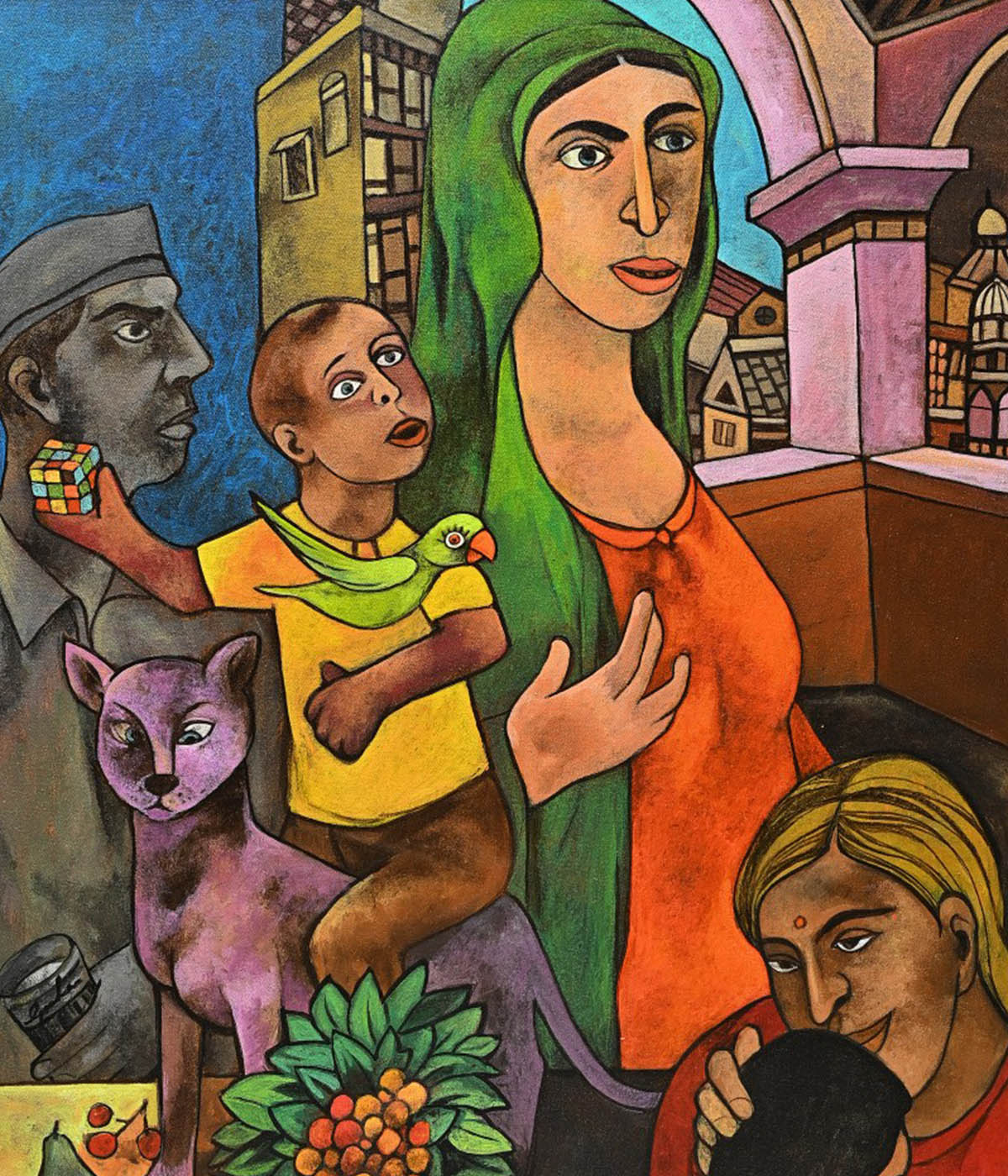
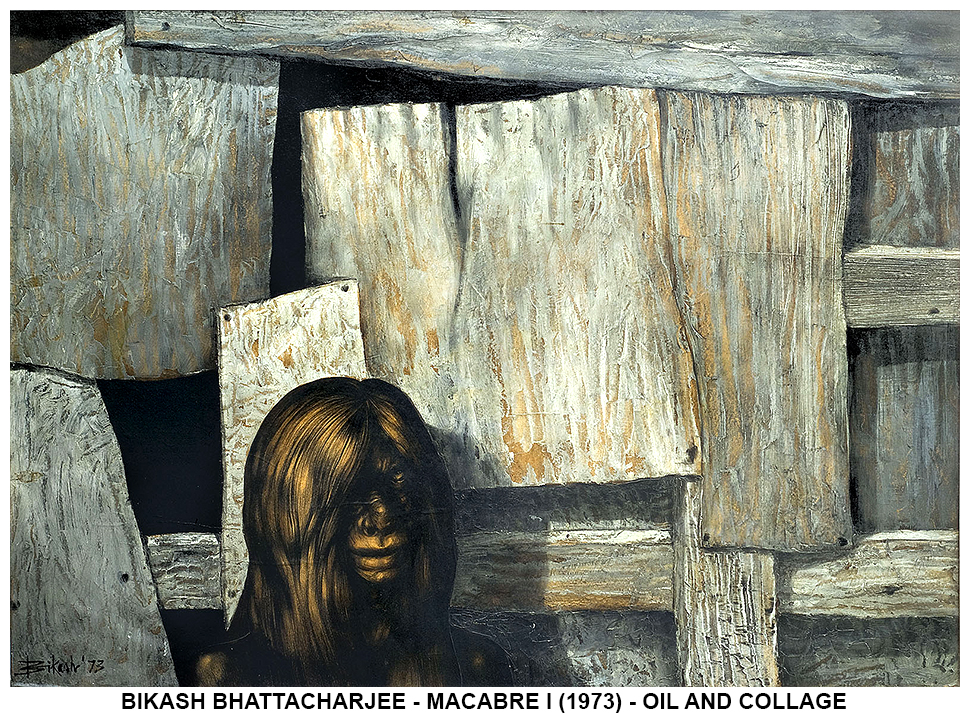 Even contemporary Bengal art continues to negotiate these inheritances. Several younger and mid-career artists revisit themes of memory, mythology, urban fragmentation, spirituality, environmental anxiety, and regional identity while simultaneously engaging with global contemporary practices. The contemporary moment no longer operates through a simple binary between “Indian” and “Western” art. Instead, Bengal’s artistic identity today emerges through layered continuities, reinterpretations, and unresolved dialogues with its own history.
In retrospect, the Bengal School should perhaps not be understood as a closed movement, but as the beginning of a much larger conversation about artistic identity, pedagogy, modernity, and cultural self-definition in India. Its significance lies not only in what it created, but also in the generations of responses, disagreements, departures, and reinventions it inspired.
The evolution from colonial academic realism and institutions such as the Jubilee Art Academy to contemporary Bengal art reveals a continuous process of negotiation rather than rupture. Bengal modernism was never singular. It was, and remains, a plural and evolving field shaped equally by revival, rebellion, memory, experimentation, and reinvention.

Comments
Join the Discussion
Please login to post comments.
Login